How to Host an International Snack Blind Taste Test
Turn international snacks into a party game with a practical blind taste test setup, balanced tasting order, simple scorecard, and reveal ideas.
Start reading ↓
A great international snack blind taste test needs three things: clearly numbered samples, a tasting order that moves from mild to bold, and a simple scorecard. You do not need literal blindfolds. Hide the packages, serve bite-size portions, and let everyone guess the country, flavor, or snack type before the reveal.
The result is part party game, part flavor adventure, and far more memorable than putting several open bags on a table. Here is how to plan one without spoiling the surprises or making the host miss all the fun.

What is a blind taste test?
A blind taste test removes identifying information before people sample a food or drink. Participants might not know the brand, flavor, country, or price. The hidden detail becomes the game.
For an international snack night, country and flavor are the most entertaining variables. Keep the snack visible so guests can examine its shape and texture, but conceal the package. This is easier, safer, and less messy than covering everyone’s eyes.
If your group is new to global snacks, start with the broader beginner’s guide to snacks from around the world. It helps explain why familiar formats can taste completely different across markets.
Choose the right number of snacks

Six to eight samples is usually enough for a full game. Fewer than five can end just as everyone understands the rhythm. More than ten can cause palate fatigue, especially when the lineup includes intense spice, rich chocolate, or strongly flavored drinks.
For a small group, one package of each snack may be plenty once divided into tasting portions. For a larger party, check package size before assuming there will be enough for everyone.
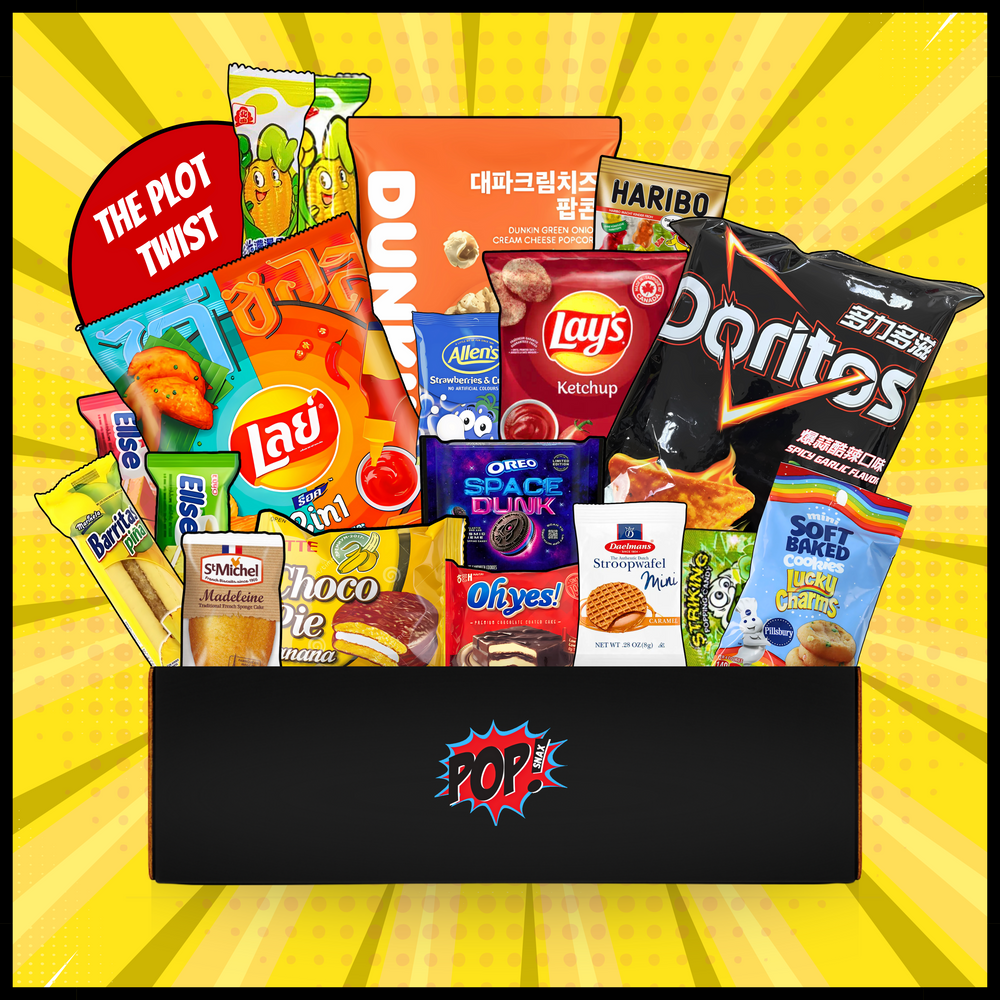
A mystery assortment can make the selection easier. The Main Character international mystery snack box currently includes 20 snacks and 1 drink, giving a host room to choose a varied tasting lineup without using every item in one sitting. Assortments can vary, so build the rounds after the box arrives rather than promising specific flavors in advance.
Build a balanced tasting lineup

The best lineup changes more than the country. It also changes texture, sweetness, and intensity. Aim for contrast across these roles:
- A friendly opener: a mild cookie, wafer, cracker, or lightly flavored chip.
- A texture surprise: something chewy, airy, filled, layered, or unusually crisp.
- A sweet round: candy, chocolate, cake, or a dessert-inspired snack.
- A savory round: chips, crackers, popcorn, or another salty format.
- A wildcard: the flavor your group is least likely to predict.
- A drink round: serve it chilled if the package calls for it and pour equal portions.
If you want a candy-focused round, the international candy guide can help you vary chewy, hard, creamy, and crunchy formats instead of choosing several near-identical sweets.
Set up the blind taste test
1. Choose what stays hidden
Decide whether guests are guessing the country, flavor, brand, or all three. Country plus flavor works well for an international snack game. Guessing too many details can turn a light party into a quiz nobody can win.
2. Check every label before serving
Review ingredient and allergen information while the packages are still visible to the host. Keep every wrapper nearby throughout the game. Imported products and market-specific editions can use unfamiliar ingredients or different formulations, so never identify a snack as allergen-safe based on appearance.
If someone has a serious allergy or dietary restriction, let that person review the original label before participating. Hiding the package should never hide information they need to make a safe choice.
3. Number the samples
Use plain plates, cups, or small paper trays marked 1 through 8. Put the corresponding packages in a separate host area and mark them with the same numbers. This prevents a reveal mix-up later.
4. Portion before guests arrive
Serve small, consistent portions. One or two bites is enough for a first impression. Pre-portioning keeps the table tidy and prevents early guests from seeing a bag that should remain secret.
5. Prepare palate cleansers
Offer water and a neutral cracker between rounds. Avoid strongly flavored cleansers. Their job is to make the next snack easier to judge, not become another contestant.
Use this tasting order
Order matters because bold flavors linger. A sensible sequence is:
- mild crackers, biscuits, or wafers;
- lightly sweet cookies and cakes;
- fruit candy and chewy sweets;
- salty or savory snacks;
- richer chocolate or dessert flavors;
- spicy, smoky, sour, or especially intense snacks;
- the drink round.
You can change the final two positions if the drink is mild and useful as a reset. The key is not to serve the hottest item first.
Make a simple blind taste test scorecard
A scorecard should help people notice the snack, not force them to write an essay. Give each sample one line with these fields:
- country guess;
- flavor guess;
- texture: 1 to 5;
- flavor: 1 to 5;
- surprise factor: 1 to 5;
- would you eat it again: yes, maybe, or no.
Add one “wild theory” box for funny guesses. That is often more entertaining than the formal score.
For country-specific clues, keep them broad enough to remain a game. A round inspired by the British snacks guide might ask guests to identify whether a savory item would be called chips or crisps. A Korean round can compare sweet, savory, spicy, and fizzy formats using ideas from the Korean snacks guide.
Three ways to play
Country detective
Give one clue before each sample, such as the continent or whether the snack is a market-specific edition of a familiar brand. Award one point for the country and one for the flavor.
Flavor draft
After tasting, everyone privately predicts which sample will win the group vote. Reveal those predictions before calculating the final scores. This gives quieter guests a way to compete without racing to shout an answer.
Snack awards
Skip points entirely and vote on categories such as Best Crunch, Biggest Plot Twist, Most Likely to Buy Again, and Flavor We Are Still Debating. This version works well when ages or food knowledge vary widely.
How to reveal each snack
Do not wait until the very end to reveal every package. Guests can forget which sample was which. Reveal after each round or after a short flight of two to three snacks.
Show the original package, announce the stated flavor, and let everyone correct their scorecard. Avoid adding an elaborate origin story unless you have verified it from a reliable source. The package and seller information are enough for a casual tasting.
Common blind taste test mistakes
- Choosing only extreme flavors: surprise works better when mild and bold snacks alternate.
- Using identical formats: eight bags of chips may create flavor variety but little textural discovery.
- Serving portions too large: guests should have room to revisit favorites at the end.
- Losing the packages: keep labels available for allergens, ingredients, and the reveal.
- Making the scoring complicated: the conversation should remain the main event.
- Promising exact mystery-box contents: select the game after seeing the current assortment.
Your blind taste-test game kit
Check every label and your guests’ needs first. Keep ingredients available even while the flavor name is hidden. Make your guess before opening each prompt.
| Round | First guess | Flavor /10 | Surprise /10 | Try again? |
|---|---|---|---|---|
| 1 | ____ | ____ | ____ | ____ |
| 2 | ____ | ____ | ____ | ____ |
| 3 | ____ | ____ | ____ | ____ |
| 4 | ____ | ____ | ____ | ____ |
| 5 | ____ | ____ | ____ | ____ |
| 6 | ____ | ____ | ____ | ____ |
Screenshot the card or copy it into your notes, then record your own scores.
Tap after round 2: name your safest pick
Which snack would you give someone who is nervous about unfamiliar flavors? Describe the texture and seasoning without naming the brand.
Tap after round 4: defend a plot twist
Pick the snack that surprised you most. Was it the flavor, the texture, or the gap between the package and your expectations?
Tap after the finale: crown your main character
Choose Best Flavor, Best Texture, and Biggest Surprise. They can be three different snacks.
Frequently asked questions
Do guests need to wear blindfolds?
No. Concealing the packaging is enough for a fun blind taste test. Guests can still evaluate appearance and texture, and the host can manage allergens and spills more easily.
What foods are good for a blind taste test?
Choose foods that are easy to portion and safe to serve at room temperature for the duration of the game. Cookies, candy, crackers, chips, popcorn, wafers, and shelf-stable drinks are practical options. Follow package storage directions.
How many samples should each person try?
Six to eight is a comfortable range for most casual parties. Use small portions and offer water between samples.
Can children play?
Yes, with adult supervision and age-appropriate foods. Review choking hazards, spice levels, allergens, and package instructions before serving.
How do you make the game competitive?
Award one point for the country, one for the flavor, and one bonus point for identifying the snack format or brand. Keep subjective ratings separate so nobody is “wrong” for liking a different snack.
Can I host a blind taste test with a mystery snack box?
Yes. Open the box privately, choose a balanced set of samples, keep the packaging hidden, and save the remaining snacks for a second tasting or open snacking after the game.
Turn the unboxing into the activity
The easiest version starts with a varied international assortment and a host willing to hide the evidence. Pick six to eight contrasting snacks, number the plates, print a simple scorecard, and let the guesses get delightfully specific.
For the final reveal, bring every package back to the table. The guesses may be wrong, but the group will leave knowing exactly which snack deserves a rematch.
Get the next snack discovery in your inbox.
New drops, tasting ideas, gift guides, and stories from around the snack world.
More from Snack Lore
Tea Towel Gift Wrapping for a Snack Box That Won’t Sit Still
Wrap a closed snack box in a tea towel with one knot or a ribbon. Test the fit first so the corners stay covered...
Read the story →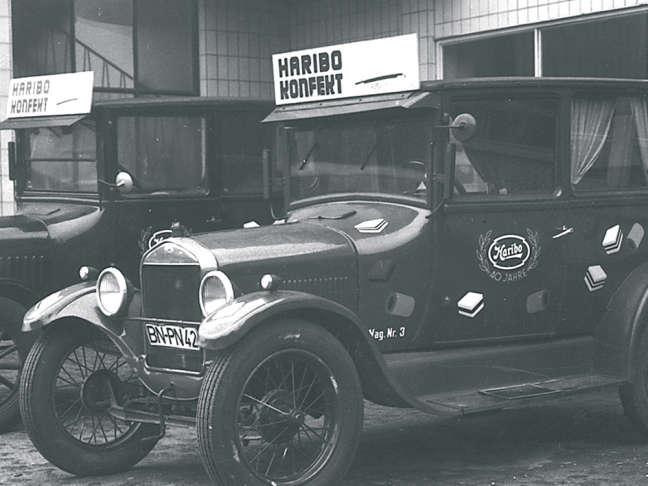
Before Haribo Had a Delivery Car, Gertrud Had a Bicycle
The early Haribo story starts in a kitchen, but it moves on two wheels. Follow Gertrud Riegel’s delivery route from the Dancing Bear to...
Read the story →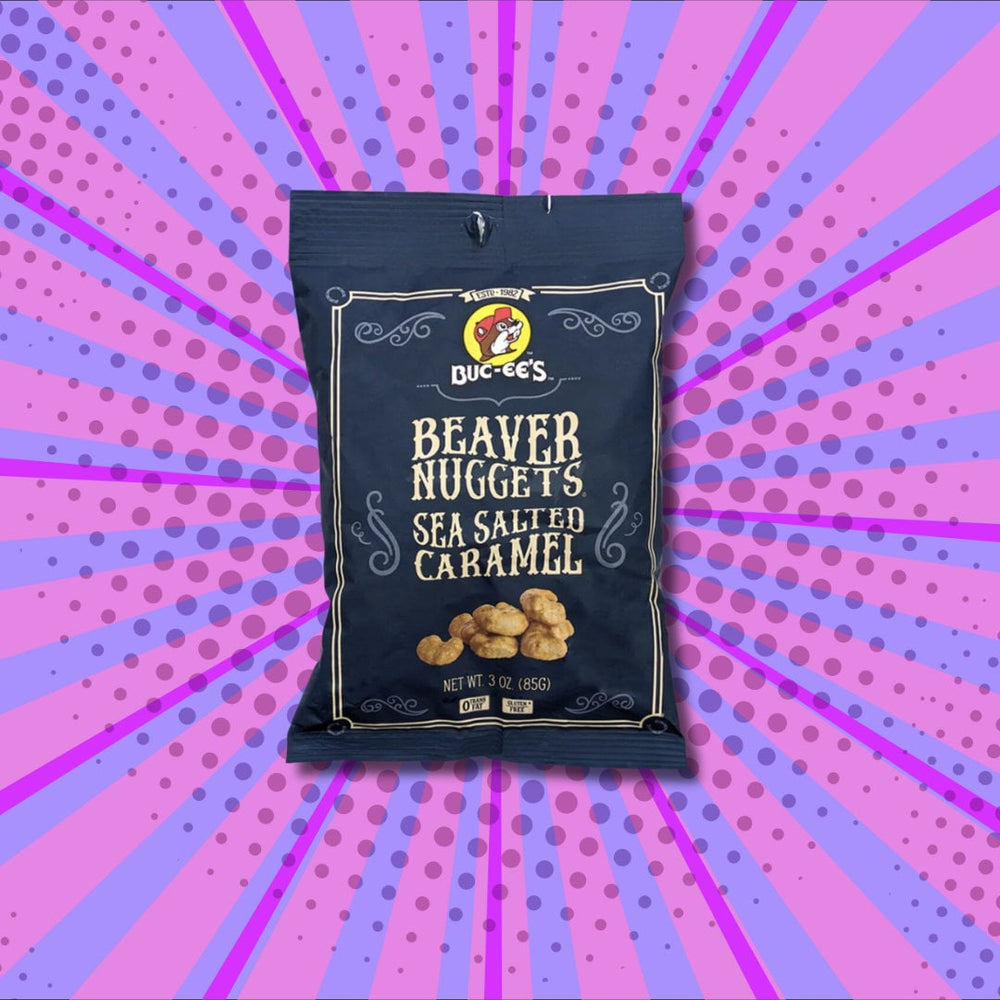
A Beaver Nuggets Sundae Topping With Two Kinds of Crunch
Break a few caramel Beaver Nuggets into coarse pieces and keep one whole for the top. Here’s a simple way to finish two bowls...
Read the story →