Snacks From Around the World: A Beginner’s Guide to Global Snacking
A beginner’s guide to snacks from around the world, including global snack categories, tasting routes, shopping checks, and ways to explore without reducing a country to one treat.
Start reading ↓
Snacks from around the world are packaged foods made for different countries and markets, from crisps, cookies, candy, cakes, and gummies to drinks and familiar brands in unfamiliar flavors. The easiest way to begin is not to chase a definitive “best snacks” list. Choose a mix of countries, textures, and flavor families so each new package teaches you something different.
This beginner’s guide explains what international snacks include, why products change from market to market, and how to explore global snacking without reducing an entire country to one famous treat.

What Are Snacks From Around the World?
The phrase usually refers to packaged snacks associated with, produced for, or sold in markets outside the shopper’s home country. That can include a local brand, a regional specialty in packaged form, or a global brand offering a flavor that is not commonly sold in the United States.
“International snacks,” “global snacks,” and “snacks from around the world” often overlap in search and shopping language. The useful question is not which phrase is technically correct. It is what the product page can verify: the market, package, flavor, ingredients, and format.
Why the Same Snack Brand Can Look Completely Different Abroad
Snack companies adapt products for different markets. A familiar logo may appear on a new seasoning, filling, texture, portion, or package format. Local preferences, retail habits, available ingredients, and product strategy can all influence what reaches a shelf.
That is why a recognizable brand can be a smart starting point. You already understand part of the experience, but one important element changes. It makes the comparison easier: familiar chip, new seasoning; familiar cookie, different filling; familiar soda, unexpected fruit flavor.
Always read the actual listing and package. A familiar brand name does not guarantee that the recipe, allergens, serving size, or labeling matches the U.S. version.
Six Global Snack Categories to Explore
1. Crisps, chips, and savory crunch
Bagged savory snacks are one of the fastest ways to notice how flavor changes across markets. The base may be potato, corn, rice, peas, or another grain, while the seasoning can move from simple salt to cheese, seafood, meat-inspired, herb, chili, sauce, or sweet-savory combinations.
For a first tasting, compare two products with different bases as well as different seasonings. That helps separate what comes from the flavor powder from what comes from the actual snack texture.
2. Cookies, biscuits, and wafers
This category includes sandwich cookies, filled biscuits, wafer sticks, chocolate-coated biscuits, fruit-centered snacks, and crisp layered bars. The language changes by market too: a product described as a biscuit in one country may be closest to what an American shopper calls a cookie or cracker.
Look beyond the flavor name. A thin wafer, crumbly biscuit, soft cake-like cookie, and crisp sandwich cookie will create very different tasting experiences even when all four use chocolate.
3. Candy, gummies, and chewy sweets
International candy can introduce unfamiliar fruit profiles, floral notes, sour coatings, foamy textures, peelable formats, or different levels of chew. This is also where translation can make product names sound especially playful or mysterious.
When trying a new candy, check the package description before assuming the flavor from color alone. Keep ingredient and allergen information available, especially when sharing with a group.
4. Chocolate and filled bars
Chocolate snacks vary by more than cocoa level. Fillings, wafers, nuts, biscuits, caramel, fruit, and cream layers can completely change the structure of a bar. Climate and distribution can matter too, so review a seller’s current handling information when ordering chocolate in warm weather.
For a useful comparison, taste a solid or layered bar beside a wafer-based product and a bite-size shareable snack. Texture often creates a bigger difference than the headline flavor.
5. Snack cakes and soft baked treats
Individually packaged cakes, rolls, pies, buns, and filled pastries sit between dessert and convenience snack. They are useful in a mixed tasting because they interrupt a lineup dominated by crunchy products.
Package size and freshness expectations vary, so inspect the individual listing rather than treating every “cake” product the same.
6. International drinks
Drinks can be the wildcard round: fruit sodas, creamy carbonated drinks, coffees, teas, and flavors built around regional fruit or dessert ideas. Serve them chilled when the package recommends it, and use small tasting pours if several people are comparing one bottle or can.
A drink also works as a bridge between salty and sweet snacks, but water is still the best neutral palate reset.
Four Ways to Begin Exploring International Snacks

Start with one country
A single-country tasting gives you a more focused route. Browse a country collection, choose several formats, and look for contrast rather than buying five products from the same brand.
Current Pop Snax collections include Japanese snacks, Korean snacks, and Mexican snacks. These are shopping groupings, not complete representations of any country’s food culture.
Build a route across several countries
A multi-country lineup prioritizes surprise. Select one or two items from each market, then order the tasting by intensity: lighter flavors first, stronger savory or sour products later, and the richest sweets near the end.
If browsing a combined collection such as Taiwanese and Chinese snacks, keep each product’s stated origin clear. A shared store collection is a browsing convenience, not a claim that Taiwan and China have identical snack traditions.
Follow one snack format around the world
Choose one category, such as chips, sandwich cookies, gummies, or fruit drinks, and compare how several markets interpret it. This is the clearest way to spot differences in seasoning, sweetness, texture, and packaging.
Format-based tastings also make opinions easier to explain. Instead of asking whether one snack is “better,” ask which has the strongest crunch, most surprising flavor, best filling, or most balanced sweet-to-sour finish.
Let a mystery assortment choose the route
A mystery box removes the research step and makes the reveal part of the experience. It works best when you want variety and are comfortable not controlling every product. A pick-your-own order is better when allergies, dietary needs, or narrow preferences require certainty.
If surprise is the goal, explore Pop Snax international mystery boxes. Exact assortments can vary, so never order a mystery format expecting one specific snack.


How to Build a Balanced Global Snack Tasting
Six to eight products can create a complete beginner tasting. Give every item a role:
- A familiar opener: a recognizable format or brand in a new edition.
- A savory contrast: something crisp, puffed, or strongly seasoned.
- A baked texture: a biscuit, wafer, or soft cake.
- A chewy round: candy or gummies that change the pace.
- A rich finish: chocolate or a filled dessert snack.
- A wildcard: a drink, unusual shape, or flavor nobody can predict.
Hide the country names for the first round if you want a guessing game. Ask everyone to notice the packaging, aroma, texture, and flavor before the reveal. Then show the original wrapper and read the verified product details together.
How to Shop for Global Snacks More Carefully
- Confirm the stated origin or market. Do not infer it from language, imagery, or a brand name alone.
- Read the package size. A mini box, single bar, and share bag are not equivalent.
- Check ingredients and allergens. Recipes can differ between countries and market editions.
- Review current inventory. Imported and limited-edition products can move in and out of stock.
- Notice the assortment model. A mystery box offers surprise; individual listings offer control.
- Avoid treating novelty as cultural authority. One dramatic flavor is one product, not a summary of how an entire country eats.
Choose your first flavor journey
Tap a route, choose your exact snacks, then give every bite three words: flavor, texture, and surprise.
Follow the crunch
Compare a chip, a wafer, and a crisp cookie. Notice how the same texture word can mean different things.
Follow the sweetness
Move from fruit candy to chocolate or a creamy cookie. Vary texture along the way.
Follow the surprise
Choose one familiar format in an unfamiliar edition, then add a wildcard drink.
Frequently Asked Questions
What are the most popular snacks from around the world?
Popularity depends on the country, time period, and source. Instead of relying on one universal ranking, start with broad categories that appear across many markets: crisps, biscuits, chocolate, candy, cakes, and drinks. Then use country-specific guides for deeper recommendations.
Where can I buy international snacks in the United States?
International grocery stores, country-specific markets, specialty import shops, and online snack retailers all carry them. Compare product origin, package size, ingredients, current stock, and seller handling information before purchasing.
Are international snacks different from imported snacks?
They overlap, but the words are not identical. “Imported” describes how a product entered the country. “International snack” is broader shopping language and may also describe a market-specific product sold through different supply routes. Use the individual listing for precise sourcing information.
What is the best way to try snacks from around the world?
For control, choose individual products across several countries and formats. For surprise, use a mystery assortment. In either case, mix sweet, savory, crunchy, chewy, baked, and drink options rather than selecting only one kind of snack.
Are international snack boxes good for groups?
They can be, especially when products are individually packaged or easy to divide. Match the assortment size to the group and check package sizes rather than assuming every item contains multiple servings.
There Is No Single Correct Route Around the Snack World
Global snacking is most rewarding when curiosity matters more than completing a checklist. Start with a country, a format, a familiar brand, or a mystery route. Notice what changes, keep the original labels available, and let each snack lead to the next question.
The goal is not to say you have “tried a country.” It is to discover one product at a time and build a better map of what you want to explore next.
Get the next snack discovery in your inbox.
New drops, tasting ideas, gift guides, and stories from around the snack world.
More from Snack Lore
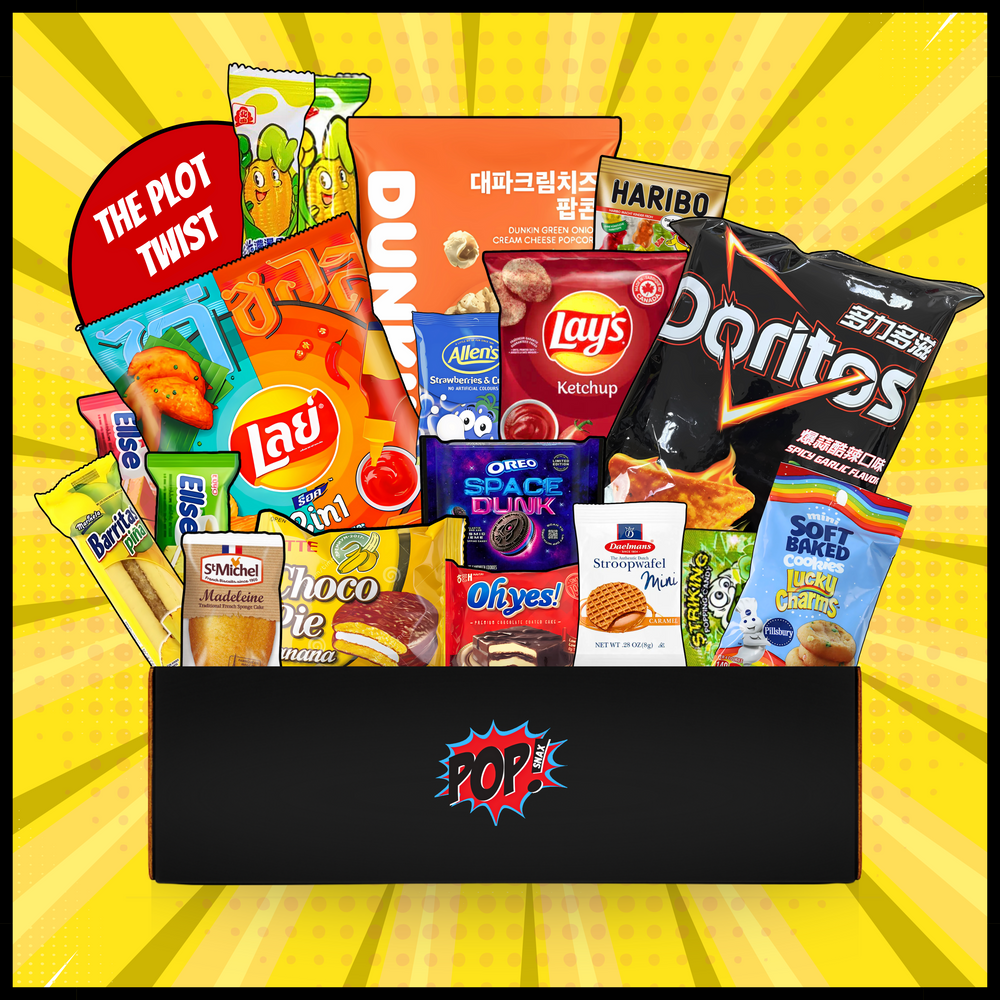
Tea Towel Gift Wrapping for a Snack Box That Won’t Sit Still
Wrap a closed snack box in a tea towel with one knot or a ribbon. Test the fit first so the corners stay covered...
Read the story →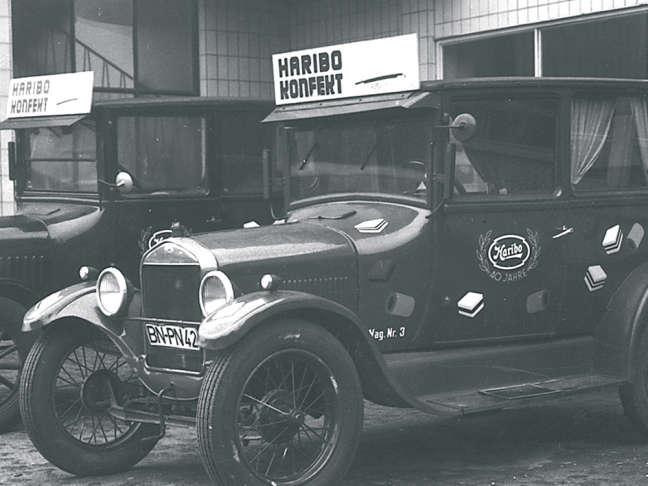
Before Haribo Had a Delivery Car, Gertrud Had a Bicycle
The early Haribo story starts in a kitchen, but it moves on two wheels. Follow Gertrud Riegel’s delivery route from the Dancing Bear to...
Read the story →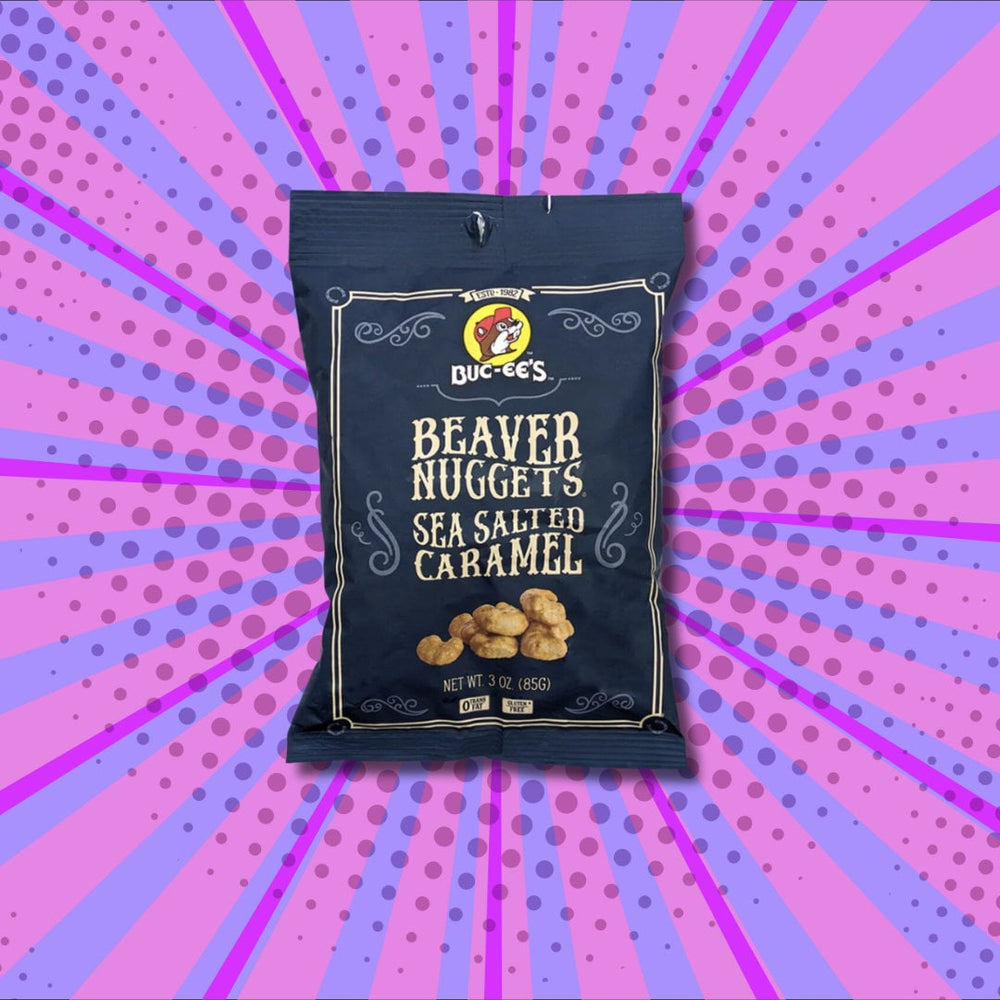
A Beaver Nuggets Sundae Topping With Two Kinds of Crunch
Break a few caramel Beaver Nuggets into coarse pieces and keep one whole for the top. Here’s a simple way to finish two bowls...
Read the story →