International Candy Guide: Types of Sweets Worth Exploring
Explore international candy by texture and flavor, from gummies and sour sweets to layered chocolate and sweet-and-spicy treats, with practical tips for building a balanced tasting.
Start reading ↓
International candy is a broad category of sweets made for markets around the world, including gummies, hard candy, chocolate, chewy fruit candy, sour sweets, filled treats, and familiar brands in market-specific flavors. The best way to explore it is to choose by texture and flavor family first, then use the package and product listing to confirm where each item was made or sold.
This guide helps you build a varied candy lineup without pretending one “best candy” list can represent every country. Start with a few contrasting formats, keep the original wrappers nearby, and let each sweet be one small clue rather than a shortcut to an entire food culture.
What Counts as International Candy?
Shoppers use “international candy,” “candy from around the world,” and “foreign candy” to describe overlapping things. The category may include a local confectionery brand, a product imported from another country, or a familiar global brand in a flavor or format designed for a different market.
Those labels are useful for browsing, but they are not precise origin claims. Check the individual listing and package for the manufacturer, market, ingredients, allergens, and net weight. A brand can be associated with one country while a specific product is manufactured or packaged elsewhere.
Eight Types of International Candy Worth Exploring
1. Gummies with unfamiliar textures

Gummies can be firm, soft, foamy, stretchy, peelable, filled, or coated in sugar. Texture often creates more surprise than flavor. Two strawberry gummies, for example, can feel completely different depending on their shape, density, coating, and chew.
For a first comparison, choose one classic fruit gummy and one product with a distinct format such as a foam, cloud, rope, or filled center.
2. Sour candy with more than one kind of punch
Sour candy can deliver its intensity through a surface coating, an acidic center, a tart fruit profile, or a combination of all three. Some sweets hit hard for a moment; others stay tangy through the entire chew.
Read the flavor description instead of assuming every brightly colored bag is equally sour. If you are tasting several, begin with the mildest and save the strongest for later so one candy does not flatten everything that follows.
3. Chewy fruit candy
Chewy fruit sweets sit between gummies and hard candy. They may be individually wrapped, pressed into small bars, or made with a dense pull that releases flavor slowly. This category is useful for discovering fruits that appear less often in standard U.S. candy assortments.
Color is not a reliable guide. Keep the wrapper available and check the printed flavor before guessing what a piece contains.
4. Hard candy and lollipops
Hard sweets are built for a slower tasting experience. The flavor can change as layers dissolve, and some products include a filling, powder, gum center, or contrasting outer shell.
They also make sharing less convenient than individually portioned gummies or chocolate pieces, so consider the setting before adding several to a group tasting.
5. Chocolate bars with layered fillings
International chocolate is not only about cocoa percentage. Wafers, biscuits, caramel, nuts, fruit creams, cereal, and aerated textures can make two milk-chocolate bars behave like entirely different snacks.
Compare structure as well as flavor: one solid bar, one wafer-based bar, and one filled piece will create a more useful tasting than three bars that differ only by package design.
6. Tablet chocolate and market-specific flavors
Some of the most approachable discoveries come from a recognizable chocolate format with a flavor rarely seen in the United States. Tea, fruit, dessert, floral, and regional ingredient ideas can turn a familiar square of chocolate into something new.
Availability changes quickly, and warm-weather handling matters. Review the seller’s current product and delivery information before ordering heat-sensitive items.
7. Sweet-and-spicy candy

Candy does not have to stay in the sweet-versus-sour lane. Chili, tamarind, salt, and fruit can create a sequence of flavors rather than one simple note. These products are especially useful in a mixed tasting because they break up a lineup dominated by chocolate and gummies.
For a country-specific route, browse the current Mexican snacks collection and verify each product’s description before choosing. A store collection is a shopping aid, not a complete account of Mexican confectionery.
8. Familiar brands in unfamiliar editions

A global brand can be the easiest bridge into international candy. The logo, shape, or base candy is recognizable, while the flavor, texture, or package format changes for another market.
This is also where careful reading matters most. Familiar branding does not guarantee that ingredients, allergens, serving sizes, or recipes match the U.S. version. If that discovery style appeals to you, Pop Snax’s Japanese snacks and United Kingdom collection are useful starting points when current inventory includes sweets.


How to Build a Candy-from-Around-the-World Tasting
Six to eight candies are enough for a lively first tasting. Give each choice a different role:
- A familiar opener: a known brand or basic fruit flavor.
- A texture surprise: foam, peelable, filled, or unusually firm.
- A sour round: mild enough that it does not overwhelm the lineup.
- A chocolate contrast: wafer, filled, aerated, or layered.
- A sweet-and-spicy choice: something that changes the rhythm.
- A wildcard: an unfamiliar fruit, floral idea, or playful format.
Taste lighter flavors first, then move toward intense sour, spice, and rich chocolate. Offer water between rounds. If several people are participating, use separate utensils for unwrapped candy and keep every original package visible for ingredient and allergen checks.
Shop by Country, Candy Type, or Surprise?
Choose one country for focus
A country collection gives the tasting a clear route, especially when you mix several formats rather than buying five similar gummies. It can help you notice recurring brands, fruit flavors, package styles, and terminology. It cannot represent all candy traditions within that country.
Choose one candy type for comparison
A format-led tasting makes differences easier to describe. Compare gummies from several markets, or put three wafer bars side by side. Ask which has the softest chew, strongest aroma, sharpest sour finish, or most layered texture instead of trying to declare a universal winner.
Choose a mystery assortment for the reveal
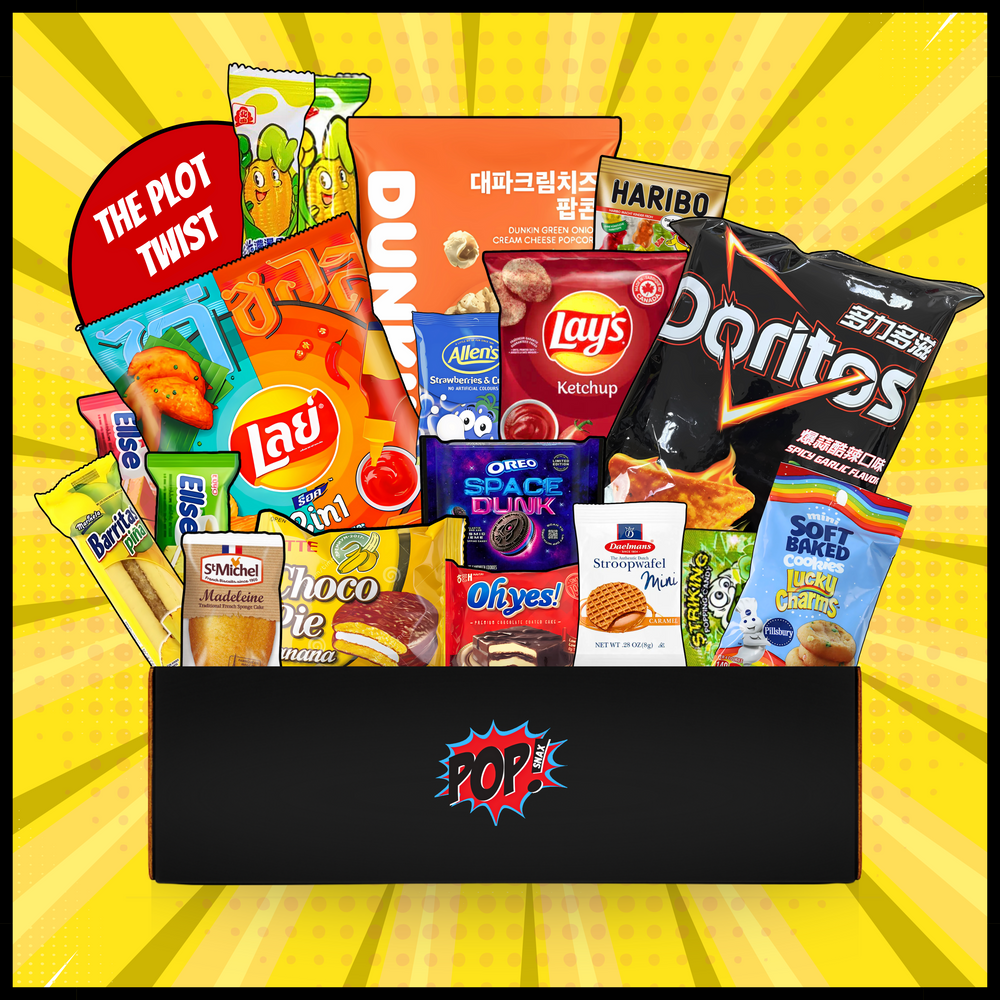
A mystery assortment works when surprise matters more than controlling every item. It is less suitable when allergies, dietary requirements, or narrow preferences make exact selection important. Pop Snax international mystery boxes can provide a mixed route, but exact assortments vary and no particular candy should be assumed.
How to Shop More Carefully
- Confirm the product, not just the brand. Market editions can have different recipes and labels.
- Check ingredients and allergens every time. Do not transfer assumptions from a U.S. version.
- Read the net weight and piece count. A single bar, mini bag, and share pouch are not equivalent.
- Review current inventory. Imported and limited-edition candy can move in and out of stock.
- Consider heat sensitivity. Chocolate and filled sweets may need different handling than hard candy.
- Avoid treating novelty as cultural authority. One dramatic candy is one product, not a summary of a country.
Choose your candy tasting route
Tap a route, choose your exact snacks, then give every bite three words: flavor, texture, and surprise.
Chewy versus crunchy
Compare a gummy or chewy sweet with a hard candy or crisp wafer. Which texture keeps your attention?
Fruity versus creamy
Taste contrasting flavor families. Describe the finish rather than simply ranking sweetness.
Familiar versus unexpected
Choose a familiar brand in a different market edition and guess what will change before tasting.
Frequently Asked Questions
What is the most popular international candy?
There is no single reliable worldwide winner. Popularity changes by country, retailer, season, and measurement method. A better starting point is a balanced mix of gummies, chewy fruit candy, chocolate, sour sweets, and one unfamiliar format.
Where can I buy candy from around the world?
International grocery stores, country-specific markets, specialty candy shops, and online snack retailers all carry it. Compare the product’s stated origin or market, ingredients, package size, inventory, and seller information before buying.
Is international candy the same as imported candy?
Not exactly. “Imported” describes how a product entered a country. “International candy” is broader shopping language and can include market-specific products, global brands, and sweets grouped by country or region. The individual listing is the best source for precise details.
What international candy is best for a tasting party?
Choose individually wrapped or easy-to-divide products with contrasting textures and intensity. Include a familiar opener, a gummy, a sour candy, a chocolate item, a sweet-and-spicy option, and one wildcard. Check allergens before sharing.
Are international candies safe for people with food allergies?
No broad candy category is automatically safe for a particular allergy. Ingredients, manufacturing statements, and labeling conventions can differ by market. Read the original package and current listing, and do not rely on appearance or on a similar product sold in the United States.
Start With Contrast, Not a Checklist
The most useful international candy guide is not a ranking of twelve products that may disappear next month. It is a way to choose better: mix textures, compare formats, verify every label, and leave room for one genuine surprise.
Pick one country, one candy type, or a mystery route. Then take notes on what you actually liked. Your second tasting will be better because it is built from your own map, not someone else’s universal “best” list.
Get the next snack discovery in your inbox.
New drops, tasting ideas, gift guides, and stories from around the snack world.
More from Snack Lore
Tea Towel Gift Wrapping for a Snack Box That Won’t Sit Still
Wrap a closed snack box in a tea towel with one knot or a ribbon. Test the fit first so the corners stay covered...
Read the story →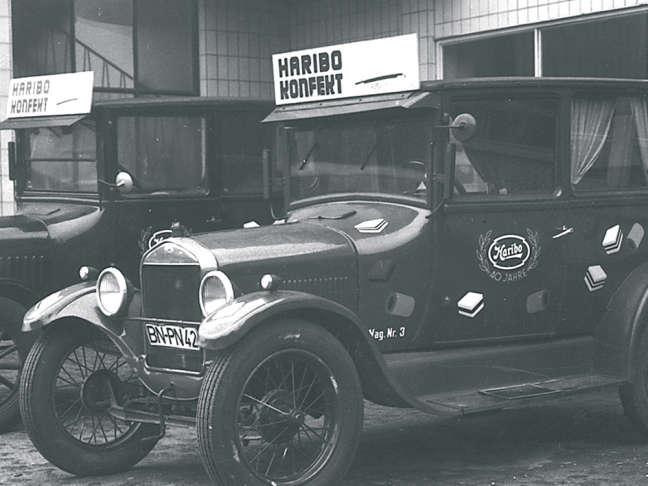
Before Haribo Had a Delivery Car, Gertrud Had a Bicycle
The early Haribo story starts in a kitchen, but it moves on two wheels. Follow Gertrud Riegel’s delivery route from the Dancing Bear to...
Read the story →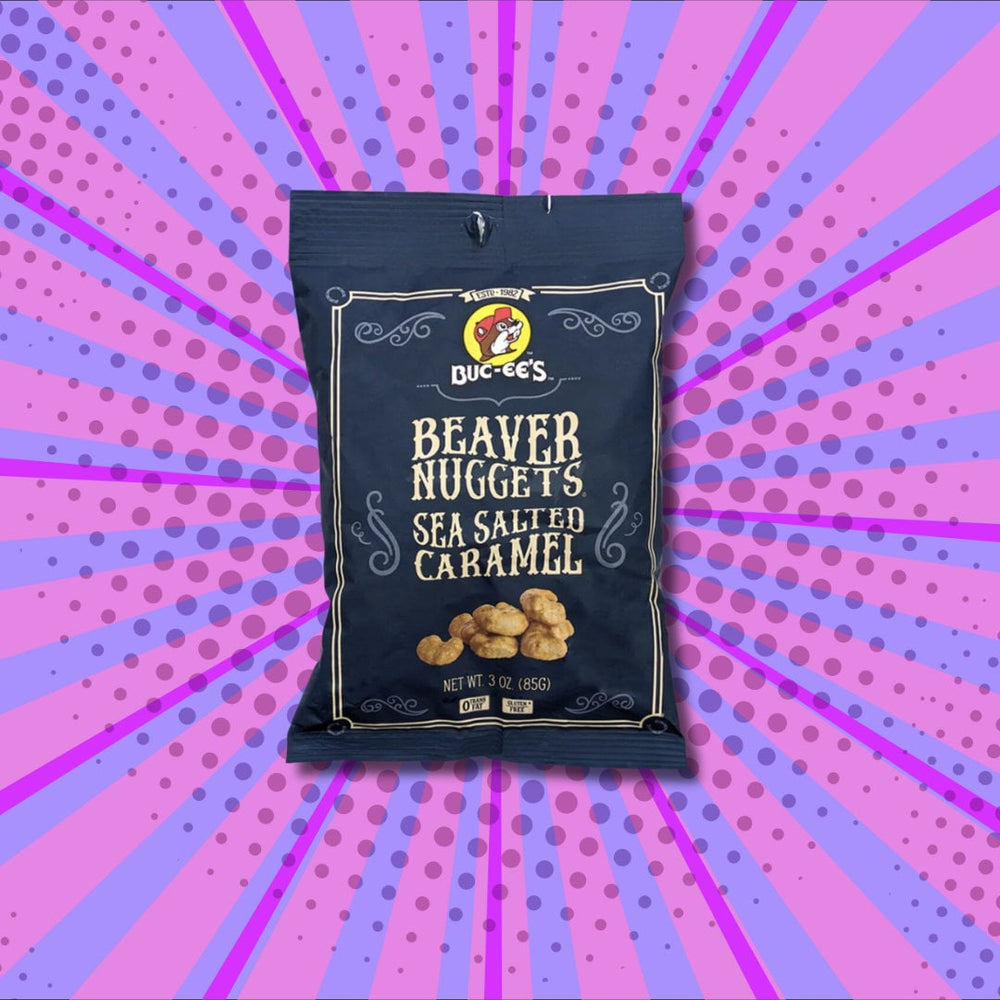
A Beaver Nuggets Sundae Topping With Two Kinds of Crunch
Break a few caramel Beaver Nuggets into coarse pieces and keep one whole for the top. Here’s a simple way to finish two bowls...
Read the story →