Japanese Snacks Guide: Candy, Chips, Cookies, and Drinks to Try
Explore Japanese snacks beyond flavored KitKats, from candy and cookies to chips and drinks, plus tips for building a balanced tasting and shopping online.
Start reading ↓
Japanese snacks are much bigger than flavored KitKats. A good first tasting mixes several formats: one savory snack, one gummy or candy, one cookie or wafer, one chocolate, one drink if available, and one wildcard you would never pick at home. That small lineup gives you contrast without turning the table into a sugar marathon.
This guide explains the main Japanese snack categories, how to build a balanced tasting, and what to check before buying online. Assortments and availability change, so use the categories as a map rather than a promise that any specific item will be in stock.
What counts as a Japanese snack?
“Japanese snacks” can mean packaged foods made for the Japanese market, Japanese brands sold internationally, or familiar formats released in flavors associated with Japan. That creates a wonderfully broad shelf: potato chips, rice crackers, corn snacks, gummies, hard candy, cookies, wafers, chocolate, cakes, ramune-style candy, soda, tea drinks, and plenty of seasonal experiments.
Not every product with Japanese writing is made in Japan, and not every Japan-made item is exclusive to Japan. If origin matters to you, read the product description and package label instead of relying on the flavor name or artwork alone.
For a current starting point, browse the Pop Snax Japanese Snacks collection. Treat it as a changing discovery shelf, not a fixed checklist.
The Japanese snack categories worth exploring
Savory chips, crackers, and crunchy snacks

Start here if you want a tasting with real range. Japanese savory snacks may use potato, corn, rice, wheat, or seafood-inspired seasonings, and their textures can be as important as their flavors. Look for ridged chips, airy puffs, thin crackers, sticks, and bite-size pieces.
A practical first move is to choose two different bases rather than two bags of chips. Pair a potato or corn snack with a rice cracker or biscuit-style savory snack. You will notice more contrast even if both are salty.
Japanese candy and gummies

Japanese candy is a broad category, not a single flavor profile. It includes gummies, chews, hard candy, fruit candy, soda-inspired pieces, and playful formats designed to be assembled, shaken, dipped, or shared.
For a beginner, compare one fruit-forward candy with one soda-style or texture-driven option. The useful question is not simply “Which is sweeter?” Ask how the aroma, chew, coating, and finish differ. That turns a quick bite into an actual tasting.
Cookies, biscuits, wafers, and small cakes
This is the comfort-food lane of a Japanese snack spread. Crisp biscuits and layered wafers can reset the palate after sour candy or a strongly seasoned chip. Filled cookies and small cakes bring softer textures that keep the lineup from feeling repetitive.
Quantity can vary significantly by package. Before buying, check whether the listing describes one package, a multipack, or individually wrapped pieces. A small box can contain several portions, while a large-looking package may hold one tray.
Chocolate and flavored KitKats
Japanese KitKats are famous for unusual and rotating flavors, but they should be one stop in the journey, not the whole itinerary. Chocolate snacks also include coated biscuits, filled wafers, cones, bars, and bite-size pieces.
If flavored KitKats are the main attraction for you, the Tokyo Fun Box: KitKat Edition creates a focused flight. For the flavor story behind that obsession, read our beginner’s guide to rare Japanese flavors. This broader guide stays focused on the rest of the snack universe, too.
Japanese drinks

Drinks can change the rhythm of a tasting. Carbonated fruit drinks, soda-inspired beverages, tea drinks, coffee drinks, and creamy or yogurt-style soft drinks each pair differently with candy and savory snacks.
Use a drink as a bridge rather than automatically saving it for last. Take a few bites of a savory snack, taste the drink, then return to the snack. You may notice sweetness, acidity, or seasoning that was less obvious before. Always follow the package’s storage and serving directions.
Seasonal, regional, and collaboration snacks
Some Japanese snack releases are tied to seasons, places, characters, or short collaborations. These can be fun discoveries, but “limited edition” does not tell you how long an item will remain available or whether it will return. Buy because the flavor sounds interesting, not because a countdown is implied.
How to build your first Japanese snack tasting
A six-item lineup is enough for variety and small enough to compare thoughtfully. Try this structure:
- One mild savory snack: a familiar base that eases everyone in.
- One bold savory snack: a stronger seasoning or different texture.
- One fruit candy or gummy: something bright and chewy.
- One cookie, biscuit, or wafer: a crisp, calmer middle course.
- One chocolate snack: familiar enough to anchor the tasting.
- One wildcard: an unfamiliar format, flavor, or drink.
Serve savory items before the sweetest candy, and put the boldest flavors near the end. Give everyone water and a simple scorecard with four prompts: flavor, texture, surprise, and “would you buy it again?” For a ready-made activity format, use our international snack blind taste test guide.


How to choose Japanese snacks online
Check the actual quantity
Product titles can emphasize flavor or format rather than portion size. Read the full listing for package count, net weight, and whether pieces are individually wrapped. That matters when you are planning a group tasting or assembling a gift.
Read the current label for ingredients and allergens
Recipes and facilities can change. Do not assume an item is vegetarian, vegan, gluten-free, nut-free, or suitable for another dietary need because a similar product was. The package label is the source to use, and anyone with a serious allergy should follow appropriate medical guidance.
Separate origin from inspiration
A matcha-flavored cookie may be made for one market and manufactured in another. A Japanese brand may also produce different versions for different regions. If you specifically want Japan-made snacks, verify the country-of-origin information shown for the item.
Expect discovery shelves to change
Imported assortments move. A useful guide should help even after a particular flavor disappears, which is why categories and tasting structure matter more than a rigid “top ten.” If a product is unavailable, replace it with another item that plays the same role: crunchy, chewy, creamy, sour, savory, or surprising.
Individual snacks or a Japanese snack box?
Choose individual snacks when you want control over flavors, dietary review, and serving sizes. A box is more useful when surprise is part of the fun or when you want a ready-made tasting theme.
A focused box can also narrow the experience. A KitKat flight, for example, is excellent for comparing flavors but will not represent Japanese savory snacks, gummies, cookies, and drinks. For a broader world-tour format, our snacks from around the world guide explains how to compare countries without flattening them into one giant candy pile.
Choose a Japanese snack mini flight
Tap a route, choose your exact snacks, then give every bite three words: flavor, texture, and surprise.
Crunch route
Start with a Japanese chip or potato snack, then describe the seasoning before reading it again.
Candy route
Add a clearly labeled Japanese sweet with a different texture from the first round.
Drink finale
Finish with a Japanese drink and compare how it changes your favorite bite. Verify the exact product’s labels first.
Frequently asked questions about Japanese snacks
What are the most popular types of Japanese snacks?
Commonly explored categories include chips and crackers, gummies and candy, cookies and wafers, chocolate, small cakes, and drinks. Popularity changes by market and season, so category variety is more useful than a permanent ranking.
Are Japanese snacks mostly sweet?
No. Sweet snacks get plenty of attention online, especially flavored chocolate and candy, but savory chips, rice crackers, corn snacks, biscuits, and seasoned crunchy snacks are an equally important part of a balanced tasting.
Why does Japan have so many unusual KitKat flavors?
Flavor variety and rotating releases made Japanese KitKats internationally recognizable. Specific flavors and availability change, though, and KitKats represent only one corner of the wider Japanese snack category.
What should I try first?
Start with contrast: one savory crunch, one gummy, one cookie or wafer, and one chocolate. Add a drink or wildcard if you want a fifth item. This gives you several textures and flavor families without requiring a huge order.
Can I buy Japanese snacks without a subscription?
Yes. Individual products and one-time boxes can be purchased without committing to recurring deliveries. Check the current product page before ordering so you understand exactly what format you are choosing.
Are Japanese snacks suitable for specific diets?
There is no category-wide answer. Ingredients, allergens, and manufacturing information vary by product and can change. Review the current package label for every item rather than relying on a general guide.
Ready to build your Japanese snack lineup?
Begin with categories, not hype: something savory, something chewy, something crisp, something chocolatey, and one surprise. Then compare texture and flavor instead of racing to crown a winner. Browse Japanese snacks at Pop Snax and build a tasting that feels like a small adventure, one wrapper at a time.
Get the next snack discovery in your inbox.
New drops, tasting ideas, gift guides, and stories from around the snack world.
More from Snack Lore
Tea Towel Gift Wrapping for a Snack Box That Won’t Sit Still
Wrap a closed snack box in a tea towel with one knot or a ribbon. Test the fit first so the corners stay covered...
Read the story →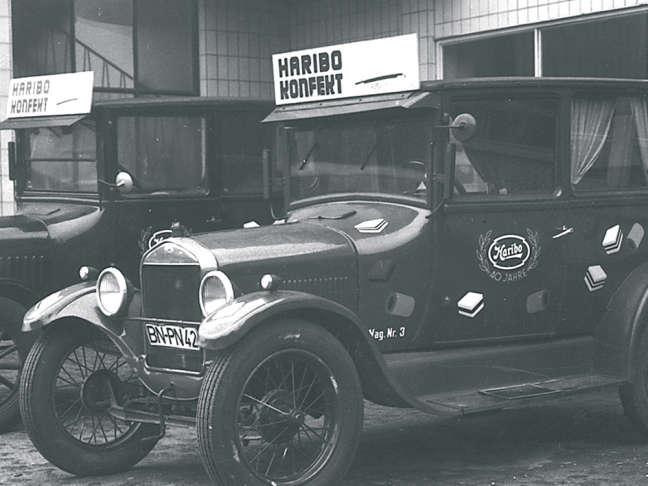
Before Haribo Had a Delivery Car, Gertrud Had a Bicycle
The early Haribo story starts in a kitchen, but it moves on two wheels. Follow Gertrud Riegel’s delivery route from the Dancing Bear to...
Read the story →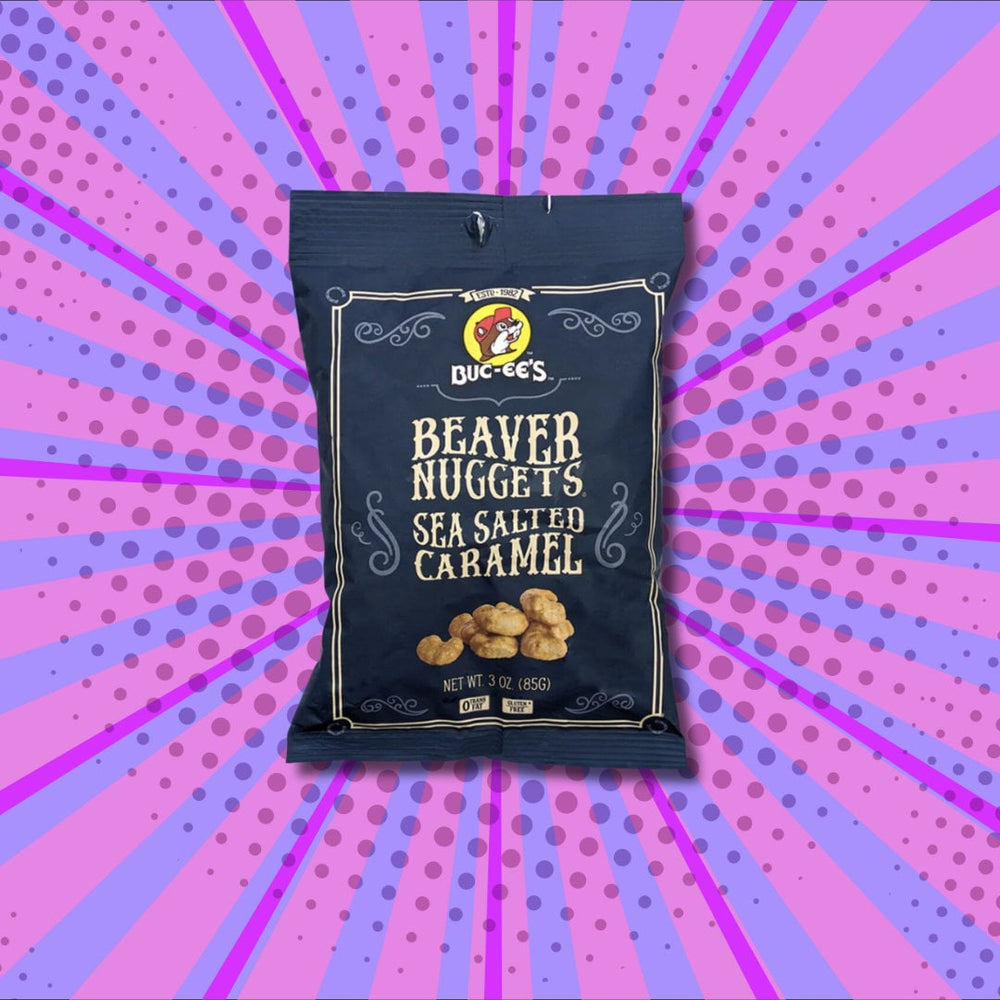
A Beaver Nuggets Sundae Topping With Two Kinds of Crunch
Break a few caramel Beaver Nuggets into coarse pieces and keep one whole for the top. Here’s a simple way to finish two bowls...
Read the story →